


The Importance of Embroidery on Hi-Vis Vests in Construction and Logistics
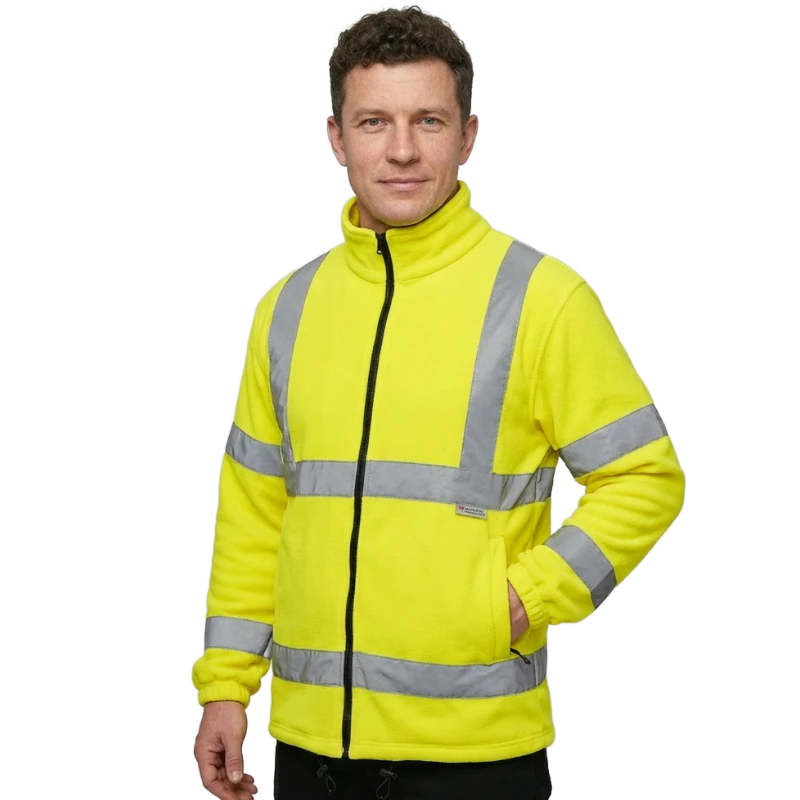
In dynamic sectors like construction and logistics, visibility and professionalism are essential. Embroidered hi-vis vests for construction and logistics offer an excellent solution to combine these two requirements. A custom hi-vis vest not only ensures employee safety but also contributes to strengthening the company's visual identity.
Customizing hi-vis vests through embroidery adds value, transforming standard protective equipment into an effective marketing tool. Employees become brand ambassadors, and the company's image is consistently promoted on site or in the warehouse.
Embroidery Options for Hi-Vis Vests in Construction and Logistics
Choosing the right type of embroidery is crucial to ensure the durability and professional appearance of the vests. Here are some popular options:
- Direct Embroidery: Ideal for simple logos and clear text. It is directly applied to the material, offering a clean and durable look.
- Embroidered Patches/Appliques: Suitable for complex designs or logos with many details. The patch is created separately and then attached to the vest.
- 3D Embroidery: Adds a three-dimensional effect to the logo, making it more visible and attractive. Recommended for simple logos with a strong visual impact.
For construction and logistics projects, where vests are subject to intense wear and tear, we recommend direct embroidery or high-quality embroidered patches, using fade and abrasion resistant threads.
Design Considerations for Embroidered Hi-Vis Vests
The design must be balanced and functional. Here are some tips:
- Placement: The logo should be placed in a visible area, such as the chest or back of the vest. Avoid areas that may be covered by other equipment.
- Size: Ensure the logo size is proportionate to the vest. A logo that is too large may appear disproportionate, while one that is too small may be difficult to notice.
- Colors: Choose colors that contrast well with the reflective material of the vest. Dark colors, such as navy or black, can look elegant on yellow or orange vests. Check out our article on embroidery in construction and logistics for more ideas.
Material and Fabric Recommendations for Hi-Vis Vests
The vest material must be durable and comfortable. Common options include:
- Polyester: Durable, weather-resistant, and easy to clean.
- Cotton: Comfortable and breathable, ideal for working in warm conditions. However, it is not as water-resistant as polyester.
- Polyester-cotton blends: A balanced combination of durability and comfort.
For construction and logistics environments, where vests are exposed to dust, dirt, and variable weather conditions, we recommend polyester or polyester-cotton blends.
Bulk Orders for Custom Hi-Vis Vests
Purchasing custom hi-vis vests in large quantities offers numerous advantages:
- Reduced Costs: The unit price significantly decreases for large orders.
- Uniformity: Ensures all employees wear vests with the same design, strengthening the company's visual identity.
- Availability: You always have vests available for new employees or to replace damaged ones.
Typically, the minimum quantity for a bulk order is 20-30 pieces, but this may vary depending on the supplier. Contact us for a personalized quote and learn more about our competitive prices.
Care and Maintenance of Embroidered Hi-Vis Vests
To extend the lifespan of embroidered hi-vis vests, follow these simple tips:
- Washing: Wash vests at a low temperature (30-40 degrees Celsius) and use a mild detergent.
- Drying: Air dry vests outdoors or in a tumble dryer at a low temperature. Avoid direct sun drying.
- Ironing: Do not iron directly on the embroidery. If necessary, iron the vest inside out, using a protective cloth between the iron and the embroidery.
- Storage: Store vests in a dry and ventilated place, away from direct sunlight.
Embroidery Type Comparison
| Embroidery Type | Advantages | Disadvantages | Recommended for |
|---|---|---|---|
| Direct Embroidery | Durability, professional appearance, cost-effective | Limited for very complex designs | Simple logos, clear text |
| Embroidered Patches | Flexibility, high detail, suitable for complex designs | Higher cost | Complex logos, decorative designs |
| 3D Embroidery | Strong visual impact, modern look | Not suitable for all types of materials | Simple logos, with emphasis on visibility |
For more information about our custom hi-vis vests for construction and logistics services, contact us today!