

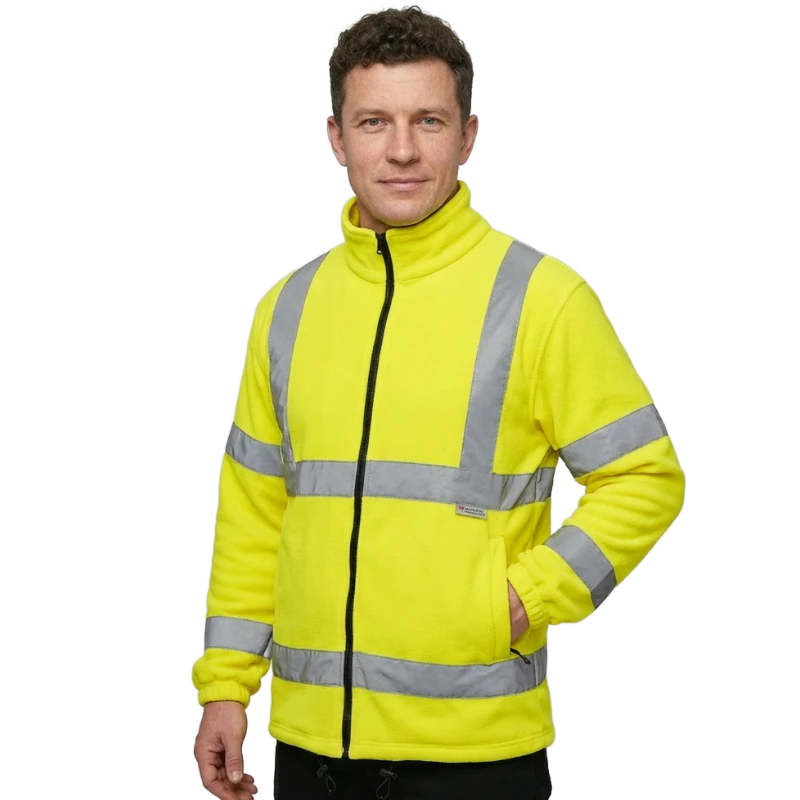
Embroidery vs. Print: Your Guide to Textile Customization
Choosing the right method for textile customization can be a difficult decision. Embroidery, direct-to-garment (DTG) printing, and heat transfer are popular options, each with its own advantages and disadvantages. In this comparative guide, we'll delve into these three methods, helping you make the best decision for your business.
What is Embroidery and When Should You Choose It?
Custom embroidery is a textile decoration technique where a design is sewn directly onto the fabric using threads. It's an excellent option for:
- Professional appearance: Embroidery offers a sophisticated and durable look, ideal for work uniforms, sportswear, or high-quality promotional items.
- Durability: An embroidered design is extremely resistant to repeated washing and wear, maintaining its impeccable appearance for a long time.
- Rich textures: Embroidery adds texture and dimension to the design, providing an attractive visual appeal.
If you want premium, durable customization with a professional look, embroidery is an excellent choice. You can learn more about the factors influencing embroidery costs on our blog.
What is Direct-to-Garment (DTG) Printing and When Should You Choose It?
Direct-to-garment (DTG) printing is a printing method where ink is applied directly to the fabric. It's a suitable option for:
- Complex designs: DTG can reproduce images with fine details and a wide range of colors, including gradients and photographs.
- Small runs: DTG is an economical option for small runs, as it doesn't require mold creation or complex setups.
- Fast customization: DTG allows for rapid printing of designs, making it ideal for urgent orders.
- Ideal for cotton: Best results are achieved on 100% cotton materials.
If you need colorful, complex customizations in small runs, DTG can be a good choice.
What is Heat Transfer and When Should You Choose It?
Heat transfer involves printing a design onto a special film, which is then transferred to the material using heat. It's a suitable option for:
- Synthetic materials: Heat transfer is ideal for synthetic materials like polyester, where other methods might be more difficult.
- Simple customization: It's suitable for simple designs with few colors and minimal details.
- Low cost for very small runs: For a few items, heat transfer can be the most economical option if you already have the necessary equipment.
If you need customizations on synthetic materials or simple designs in very small runs, heat transfer can be an option.
Comparison Between Embroidery, Direct Print, and Heat Transfer
| Feature | Embroidery | Direct Print (DTG) | Heat Transfer |
|---|---|---|---|
| Durability | Very High | Medium | Low |
| Appearance | Premium, textured | Modern, colorful | Standard, slightly plasticky |
| Design complexity | Recommended for simple designs with clear lines | Ideal for complex designs with many colors | Recommended for simple designs with few colors |
| Cost | Higher, especially for small runs | Economical for small and medium runs | Economical for very small runs |
| Materials | Suitable for most materials | Ideal for cotton | Ideal for synthetic materials |
| Texture | Adds texture to the design | Does not affect material texture | May affect material texture |
When to Choose Embroidery?
Embroidery is the ideal choice when:
- You want a professional and elegant look.
- You need extreme durability.
- You are customizing uniforms, workwear, or high-quality promotional items.
- The design is relatively simple, with clear lines.
When to Choose Direct Print (DTG)?
Direct printing is suitable when:
- You have complex designs with many colors and fine details.
- You need small to medium runs.
- The material is primarily cotton.
- Production speed is important.
When to Choose Heat Transfer?
Heat transfer is a good option when:
- You are customizing synthetic materials.
- You have simple designs with few colors.
- You need a very small number of customized products.
- The budget is extremely limited.
Conclusion
Choosing the right customization method depends on a number of factors, including the type of material, design complexity, available budget, and the number of items needed. We hope this comparative guide has given you a clear picture of the advantages and disadvantages of each option.
For personalized consultation and a customized offer tailored to your needs, we invite you to contact us. The NIUA LABS team is ready to help you make the best decision for your business!