
Embroidery Materials: The Essential Guide to Making the Right Choice
Embroidery, an ancient art, has constantly evolved, adapting to new technologies and materials. However, regardless of the project's complexity, choosing the right embroidery materials remains a crucial factor for a successful final result. This detailed guide will help you navigate the multitude of available options and select the perfect textiles for your projects.
When it comes to custom embroidery, the base material influences not only the aesthetic appearance but also durability and ease of work. Therefore, it's essential to understand the properties of different types of materials to make informed decisions.
Important Factors in Choosing Textiles for Embroidery
Before diving into material selection, it's important to consider the following factors:
- Durability: How often will the embroidered item be washed and worn?
- Texture: How does the material feel to the touch? Do you want a smooth or textured look?
- Weight: Do you need a light and airy material or a denser and more resistant one?
- Design Complexity: A complex design requires a more stable fabric.
- Type of Thread Used: Cotton thread behaves differently than silk thread, for example.
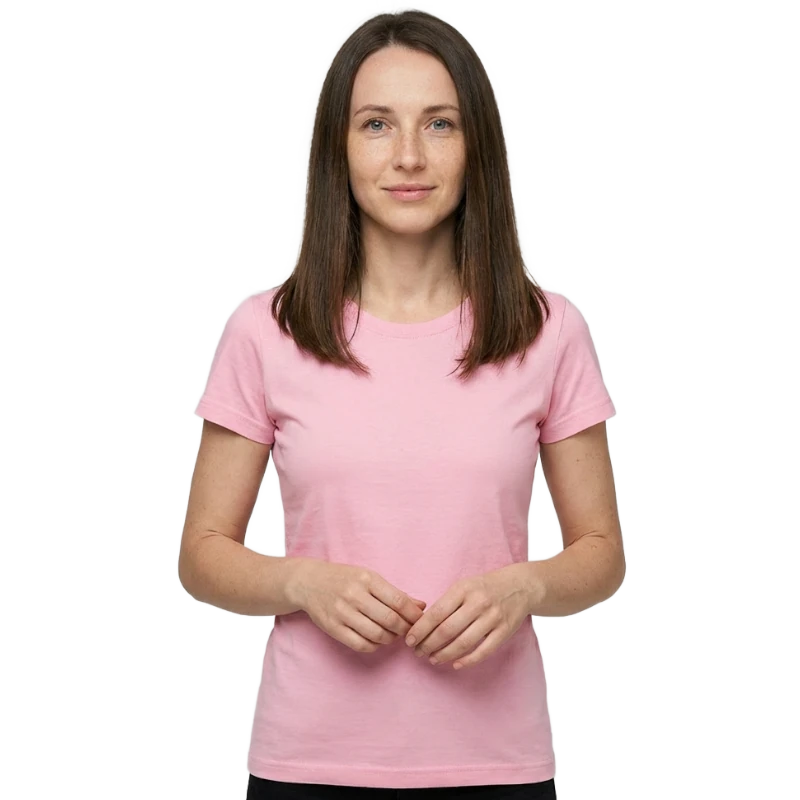
- Product's Final Purpose: An embroidered t-shirt requires a different material than a decorative canvas.
Popular Textile Material Types for Embroidery
There's a wide variety of textile materials suitable for embroidery. Here are some of the most popular, with their advantages and disadvantages:
Cotton
Cotton is an excellent option for beginners and for general embroidery projects. It's easy to work with, available in numerous thicknesses and colors, and relatively inexpensive. Cotton is breathable, comfortable to wear, and washes easily. However, it can wrinkle easily and is not as durable as other materials.
Linen
Linen is a natural, durable material with an elegant appearance. It's perfect for rustic or vintage embroidery. Linen is very absorbent and breathable, but it wrinkles very easily and can be more difficult to work with than cotton.
Silk
Silk is a luxurious material with a distinctive sheen. It's fine, delicate, and gives embroidery a sophisticated look. Silk is ideal for special projects, such as embroidery for evening dresses or elegant decorative items. However, it's an expensive material and requires special care.
Wool
Wool is a warm, soft, and comfortable material. It's suitable for embroidery on winter clothes, blankets, or decorative pillows. Wool can be more difficult to embroider than other materials, but the final result is unique.
Synthetics (Polyester, Acrylic)
Synthetic materials, such as polyester and acrylic, are durable, easy to maintain, and don't wrinkle. They are ideal for embroidery on sportswear, uniforms, or items that require frequent washing. However, they are not as breathable as natural materials.
Material Blends
Material blends combine the advantages of various fibers. For example, a cotton and polyester blend will be more wrinkle-resistant than pure cotton and more breathable than pure polyester.
Comparative Table: Types of Materials for Embroidery
| Material | Advantages | Disadvantages | Recommendations |
|---|---|---|---|
| Cotton | Easy to work with, inexpensive, breathable | Wrinkles easily, not very durable | General projects, beginners |
| Linen | Elegant look, durable, absorbent | Wrinkles very easily, harder to work with | Rustic, vintage embroidery |
| Silk | Luxurious, fine, lustrous | Expensive, requires special care | Special, occasion embroidery |
| Wool | Warm, soft, comfortable | Can be difficult to embroider | Winter clothes, blankets, pillows |
| Polyester | Durable, easy to maintain, doesn't wrinkle | Not as breathable | Sportswear, uniforms |
Material Thickness and Density
In addition to the type of material, its thickness and density are important factors. A material that is too thin can deform or tear under the weight of the embroidery, while a material that is too thick can be difficult to pierce with a needle.
For more delicate projects, choose materials with a higher density. For larger projects, you can opt for lighter materials, but make sure they are durable enough to support the embroidery.
Preparing the Material for Embroidery
Before starting embroidery, it's important to prepare the material properly. Wash and iron the material to prevent subsequent shrinking or warping. Stabilize the material with a special embroidery stabilizer, especially if you are working with thin or elastic materials. Secure the material in the hoop, making sure it is stretched evenly.
Additional Tips for Choosing the Right Materials
- Test different materials with embroidery samples before deciding.
- Read material labels to find out the composition and care instructions.
- Consult an embroidery specialist for personalized advice.
- Experiment with different combinations of materials and threads to achieve unique effects.
Why Choose NIUA Labs for Custom Embroidery?
At NIUA Labs, we understand the importance of choosing the right materials for each embroidery project. We offer comprehensive custom embroidery services, from material selection consulting to the actual execution of the embroidery. We work with a wide range of top-quality materials and use modern technologies to guarantee impeccable results.
For complex projects or large volumes, feel free to consult our resources on custom embroidery. You can also find out more about embroidery costs to plan your budget.
We are dedicated to providing our clients with the best custom embroidery solutions, tailored to their needs and budget. Contact us today for a personalized quote!
Choosing the right embroidery materials is an essential step towards achieving successful results. Keep in mind the factors mentioned in this guide, experiment with different types of materials, and most importantly, let your creativity fly.
Need help choosing the perfect material for your embroidery project? The NIUA Labs team is ready to help!