






Complete Custom Embroidery Guide for Businesses
Custom embroidery is an excellent way to add a distinctive touch to your brand. Whether you want to personalize work uniforms, create unique promotional products, or offer memorable corporate gifts, embroidery offers superior elegance and durability compared to other personalization methods. This guide will provide you with all the necessary information to successfully implement custom embroidery into your business's branding strategy.
Why choose custom embroidery for your business?
Embroidery stands out with several advantages:
- Durability: Embroidered designs last much longer, even after multiple washes.
- Professional appearance: Embroidery gives an elegant and neat look, ideal for a company's image.
- Versatility: It can be applied to a wide range of materials and products, from textiles to leather.
- Perceived value: Embroidered products are perceived as being of superior quality, which enhances brand value.
How to get started with custom embroidery
The first step is to clearly define your objective. What do you want to achieve through custom embroidery? Do you want to improve employee appearance, offer special gifts to customers, or promote a specific event?
Once you have established the purpose, you can start choosing the products you want to personalize. Opt for quality items that match your brand's image. You can choose:
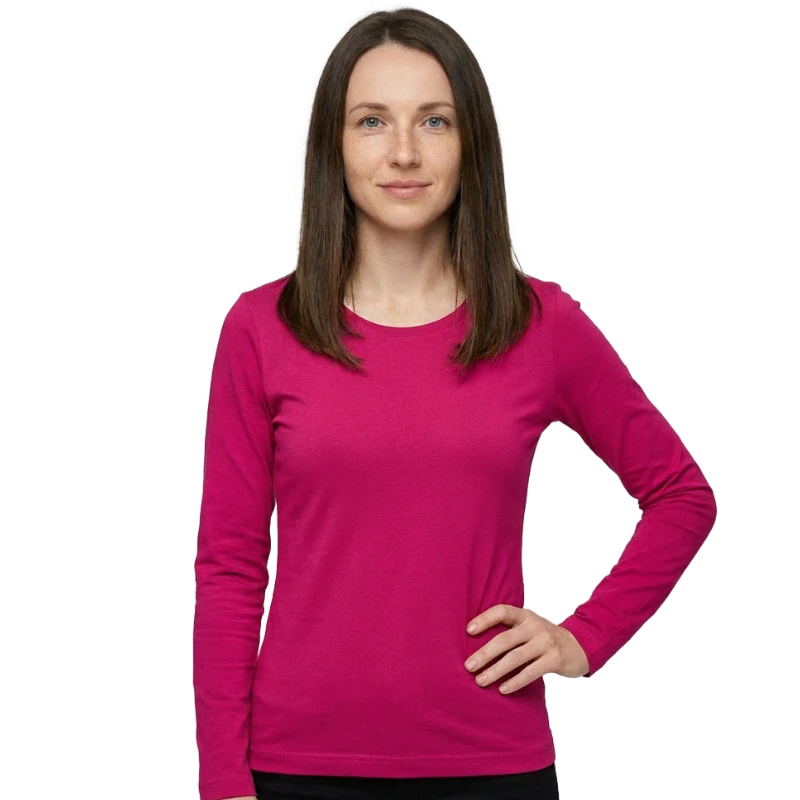
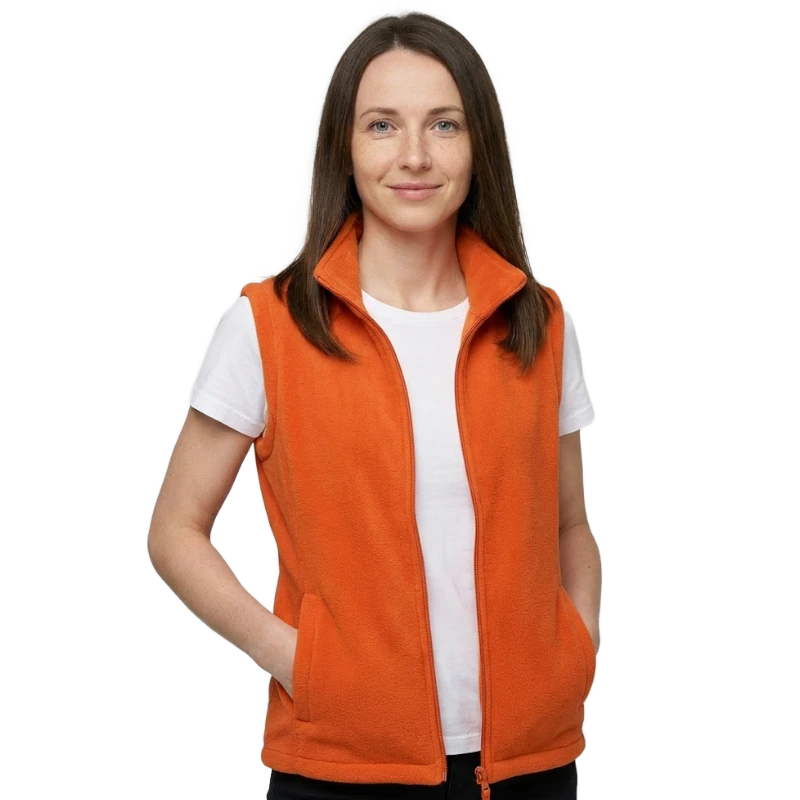
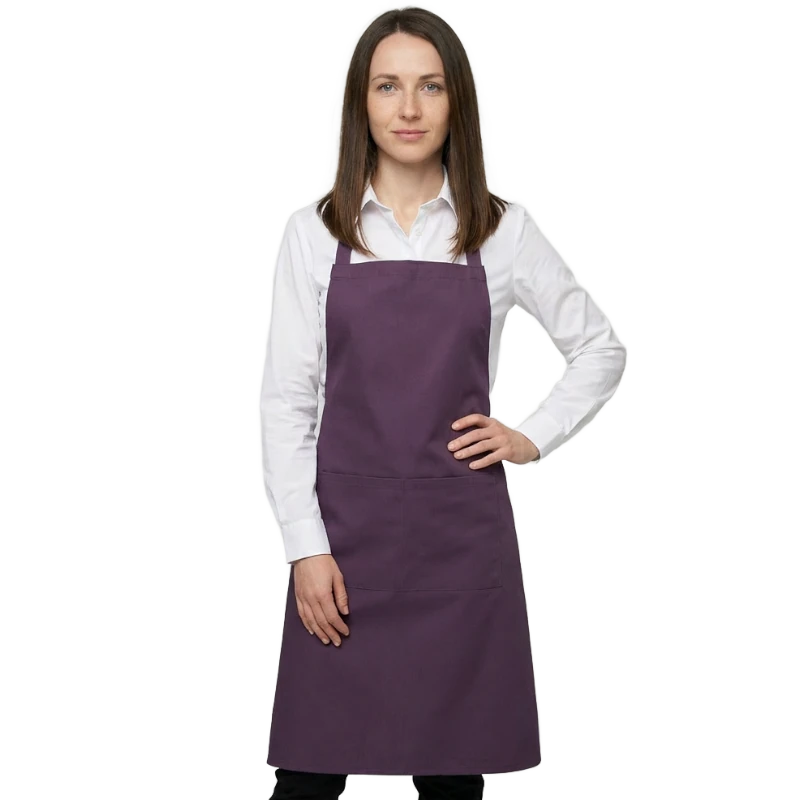
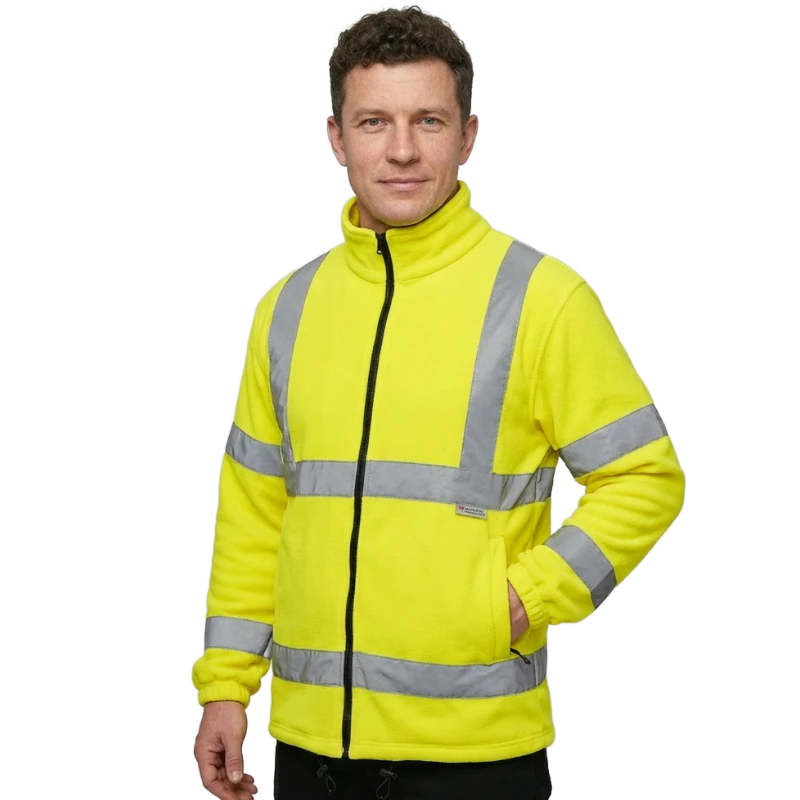
- Work uniforms: Shirts, t-shirts, vests, jackets.
- Accessories: Caps, bags, backpacks, towels.
- Promotional items: Badges, patches, keychains.
Choosing the perfect design
Design is a crucial element. It must be relevant to your brand, easily recognizable, and executed with precision. You can use:
- Company logo: A simplified version of the logo, adapted for embroidery.
- Slogan: A short and memorable message.
- Graphic elements: Decorative motifs that match the company's visual identity.
Consider the size and placement of the design on the product. A design that is too large may look cluttered, while one that is too small may be hard to notice.
Selecting the right embroidery supplier
The quality of the embroidery largely depends on the supplier's experience and equipment. Look for a supplier who:
- Has solid experience in the field.
- Uses high-performance embroidery machines.
- Offers a wide range of colors and thread types.
- Can produce samples to ensure the final result meets your expectations.
- Offers consultation on design and material selection.
We recommend requesting quotes from several suppliers and comparing prices, quality, and delivery times. You can explore more about the custom embroidery process here.
Costs involved in custom embroidery
The cost of custom embroidery varies depending on several factors:
- Design complexity: A detailed design with many colors will cost more.
- Design size: A larger design requires more time and resources.
- Number of products: The unit price decreases as the order volume increases.
- Material type: Some materials are more difficult to embroider than others.
- Supplier: Prices may vary from one supplier to another.
To better understand the costs, consult our article on how much custom embroidery costs.
Types of Embroidery used in businesses
There are several types of embroidery, each with its own advantages and disadvantages.
| Embroidery Type | Description | Advantages | Disadvantages |
|---|---|---|---|
| Standard Embroidery | Uses uniform stitches to create the design. | Durable, professional appearance, suitable for most materials. | Can be costly for complex designs. |
| Embroidered Appliques (Patches) | The design is embroidered on a separate material and then applied to the product. | Ideal for complex designs, easy to replace or remove. | May be less durable than standard embroidery. |
| 3D Embroidery (Puff) | Uses special foam to create a three-dimensional effect. | Eye-catching, modern and original appearance. | Not suitable for delicate designs or thin materials. |
Promoting your business with custom embroidery
Once you have created embroidered products, use them strategically to promote your business:
- Offer them to employees: Work uniforms with the company logo provide a unified and professional look.
- Include them in client welcome kits: A personalized gift is an appreciated gesture.
- Use them at events and trade shows: Embroidered promotional products attract attention and leave a lasting impression.
- Sell them online or in-store: Embroidered products with attractive designs can generate additional revenue.
Custom embroidery is a valuable investment for any business looking to strengthen its image, differentiate its products, and build customer loyalty. With careful planning and a reliable supplier, you can transform embroidery into a powerful marketing tool.
Ready to experience the benefits of custom embroidery for your business? Contact us today for personalized consultation and an offer tailored to your needs!